The Benefits of Architectural Glass Flooring in Residential Spaces
Architectural glass flooring is revolutionizing the way we design and utilize residential spaces. This innovative flooring solution merges aesthetics with functionality, allowing homeowners to create environments that are not only visually stunning but also practical. From enhancing natural light to improving spatial perception, the advantages of glass flooring are multifaceted. When exploring options, architectural glass flooring provides comprehensive insights into maximizing your interior design. As we delve deeper into the benefits, it’s crucial to understand how these elements play a role in modern living.
Enhancing Aesthetic Appeal
One of the most striking advantages of architectural glass flooring is its ability to transform the visual dynamics of a home. Glass floors create a sleek, contemporary look that can seamlessly blend with various interior styles, from minimalist to industrial. The transparency of glass allows for unique design opportunities—such as showcasing stunning structural elements or creating illusions of space. Homeowners can choose from a variety of finishes and coatings to customize the appearance of their flooring, ensuring a perfect match with their interior decor.
Increasing Natural Light and Space Perception
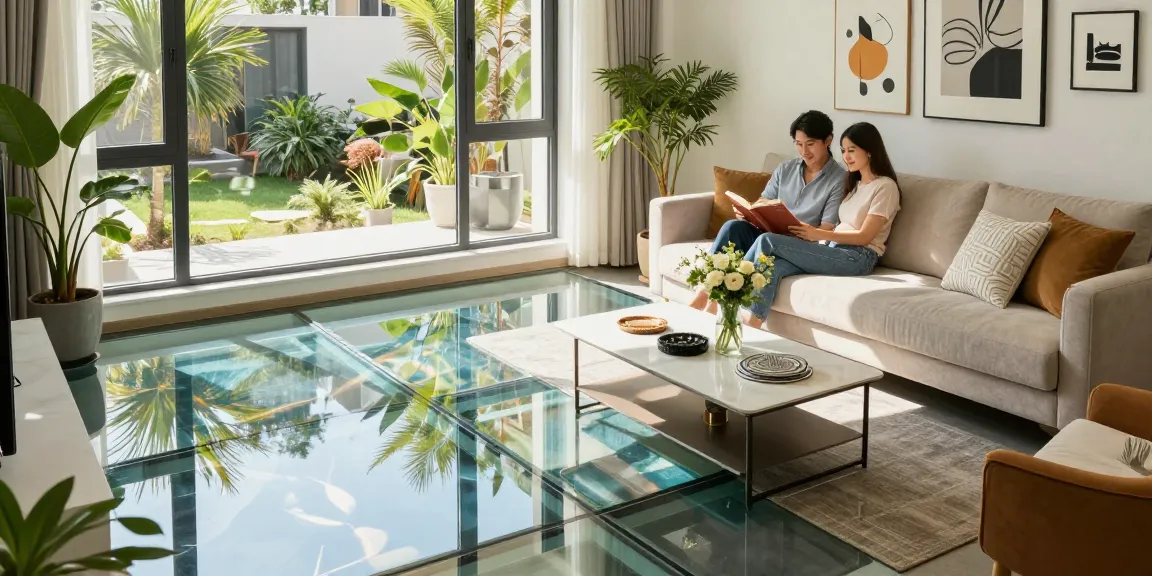
Glass flooring allows for maximum light transmission, significantly enhancing the brightness of a room. This feature is particularly beneficial in spaces that lack natural light sources, such as basements or interior rooms. By allowing light to pass through, glass floors can create an open and airy feel, making small or enclosed spaces appear larger than they are. Additionally, the reflective properties of glass can amplify this effect, bouncing light around the room and contributing to a more inviting atmosphere.
Durability and Maintenance Considerations
Contrary to common misconceptions, architectural glass flooring can be remarkably durable. Modern glass products are engineered to withstand significant weight and resist scratches and stains. With proper installation and care, they can last a lifetime. Maintenance is relatively straightforward: regular cleaning with a mild detergent and water is usually sufficient to keep glass floors sparkling. However, it is essential to consider the thickness and type of glass used when evaluating durability, as thicker options generally offer better resistance to wear and impact.
Best Practices for Incorporating Glass Flooring
Incorporating glass flooring into your home requires careful planning and design consideration. Here are some best practices to ensure successful integration:
Designing Open Concept Living Areas
When designing open concept spaces, glass flooring can serve as a focal point that enhances continuity throughout the area. The seamless transition between different spaces not only adds to the aesthetic but also improves the flow of natural light. Consider using glass flooring in living rooms, kitchens, and dining areas to create a cohesive look that invites interaction and connection.
Choosing the Right Glass Types and Finishes
Selecting the appropriate glass type is crucial for both functionality and aesthetic appeal. Options range from tempered glass, known for its strength and safety, to laminated glass, which offers additional sound insulation and UV protection. Additionally, finishes such as frosted or etched glass can provide privacy while maintaining light transmission. It is advisable to collaborate with an experienced designer or architect to determine the best choices for your specific needs and aesthetics.
Integrating with Other Flooring Materials
Combining glass flooring with other materials can enhance its visual impact. For instance, integrating wood or stone elements can create a striking contrast, highlighting the elegance of glass. This approach allows for distinct areas within a space while maintaining an overall harmonious aesthetic. Moreover, using glass flooring in high-traffic areas can visually ground a design, making it both functional and beautiful.
Technological Innovations in Glass Flooring for 2026
The future of architectural glass flooring is bright, with exciting technological innovations on the horizon. As we look toward 2026, advancements are set to enhance both functionality and user experience.
Smart Glass Options for Energy Efficiency
Smart glass technology is at the forefront of architectural innovation. These dynamic glass solutions can adjust their transparency in response to environmental changes, helping to regulate indoor temperatures and reduce energy costs. For homeowners, this feature not only promotes energy efficiency but also enhances comfort by allowing more control over light and privacy. As smart home systems become more prevalent, the integration of smart glass will likely become a standard feature in modern design.
Interactive and Reactive Glass Flooring
Imagine walking on a glass floor that reacts to your presence. Interactive glass flooring is being developed to integrate technology that allows for dynamic visuals, changing patterns, or even displaying information based on user interaction. This innovative approach not only broadens the aesthetic possibilities but also adds an engaging element to residential spaces, particularly in entertainment areas.
Trends in Sustainable Glass Production
Sustainability is becoming a crucial aspect of all construction materials, including architectural glass. Manufacturers are increasingly adopting eco-friendly practices, using recycled materials and developing energy-efficient production processes. As awareness grows, consumers are likely to prioritize sustainable options, making it essential for manufacturers to innovate continuously in this area. Future glass products may feature not only sustainable production methods but also enhanced recycling capabilities at the end of their life cycle.
Common Challenges and Solutions in Glass Flooring Installation
While architectural glass flooring presents numerous benefits, there are challenges to consider during installation. Addressing these issues proactively can ensure a successful project.
Addressing Structural Support Issues
One of the primary concerns with glass flooring is ensuring adequate structural support. Unlike traditional flooring materials, glass requires a solid foundation to prevent cracking or shattering. Consulting with structural engineers during the planning phase can help identify necessary reinforcements and ensure that the subfloor can support the weight of the glass. Proper engineering will help mitigate potential issues and enhance safety.
Preventing Slipping Hazards
Safety is a paramount concern with glass flooring. To minimize slipping hazards, it's essential to choose textured glass or apply slip-resistant coatings. These features can enhance traction without compromising the aesthetic value of the flooring. Additionally, placing rugs or mats in high-traffic areas can further reduce the risk of slips and falls, providing both safety and style.
Overcoming Cost Barriers
While the initial cost of architectural glass flooring can be higher than traditional materials, it’s essential to view it as a long-term investment. The durability, low maintenance requirements, and aesthetic appeal often outweigh the upfront costs. Furthermore, there are various options available at different price points, making it possible to find glass flooring solutions that fit within a budget. Exploring financing options or phased installations can also help to spread costs over time.
Future Trends in Architectural Glass Flooring
As we move forward, the trends in architectural glass flooring will evolve to shape residential design. Homeowners and designers should be aware of these emerging patterns.
Customized Designs for Individual Homes
Personalization is key in modern home design. The demand for customized glass flooring solutions is on the rise, with homeowners seeking unique styles and patterns that reflect their tastes. Advances in technology allow for bespoke designs, facilitating the creation of one-of-a-kind flooring that resonates with the homeowner's individual aesthetic.
Integration with Smart Home Systems
As smart home technology continues to advance, the integration of glass flooring with these systems will become more common. This integration can provide homeowners with enhanced control over lighting, temperature, and security features, creating a seamless living experience. The future will likely see glass flooring that can respond to environmental conditions or user preferences, advancing convenience and energy efficiency.
The Evolving Role of Glass in Interior Design
Glass is increasingly becoming a staple in interior design, valued for its versatility and aesthetic appeal. As trends lean toward transparency and openness, glass flooring will play a significant role in transforming residential spaces. Expect to see a blend of glass with various materials and finishes, contributing to innovative and exciting design solutions. Designers will continue to push the boundaries of how glass can be utilized, making it a focal point rather than just a functional element.
What are the key benefits of architectural glass flooring?
Architectural glass flooring offers numerous benefits, including enhanced aesthetics, increased natural light, and durability. Its ability to create a feeling of openness and continuity within spaces makes it an attractive option for modern homes.
How can I choose the right glass flooring for my home?
Choosing the right glass flooring involves considering factors such as thickness, finish, and design integration. Consulting with professionals in architecture and design can provide valuable insights tailored to your specific needs and preferences.
What are the maintenance requirements for glass floors?
Glass floors require minimal maintenance, typically needing only regular cleaning with mild detergents. Ensuring proper care will keep your flooring looking pristine for years.
How do glass flooring options compare in terms of cost?
The cost of glass flooring can vary significantly based on quality and design. While it may be more expensive upfront, the long-term benefits—including durability and low maintenance—often justify the investment.
Are there safety concerns with architectural glass flooring?
Safety concerns related to glass flooring primarily revolve around slips and structural integrity. Selecting appropriate materials and finishes, along with proper installation, can mitigate these concerns.