Understanding Victorian Tiling
Victorian tiling offers a unique blend of aesthetic charm and lasting durability. These tiles, steeped in history and tradition, have become synonymous with elegance, making them a popular choice for both period homes and contemporary spaces. When exploring options, Victorian tiling provides comprehensive insights into design, installation, and maintenance, catering to homeowners and designers alike.
What is Victorian Tiling?
Victorian tiling refers to the ceramic or stone tiles that were predominantly used during the Victorian era, specifically between the mid-19th century and early 20th century. Characterized by intricate patterns and rich colors, these tiles often feature geometric shapes, floral motifs, and sometimes even bespoke designs tailored to specific projects. Their enduring popularity is largely due to their aesthetic appeal and the impression of sophistication they impart to any space.
Key Characteristics of Victorian Tile Designs
- Patterns: Victorian tiles are renowned for their elaborate patterns, often combining bold geometric shapes with floral designs.
- Color Palette: The color palette of Victorian tiles ranges from deep, rich hues to softer pastels, allowing for a diverse range of styling options.
- Material Quality: Typically made from ceramic, these tiles are durable and maintain their beauty over time, with proper care.
- Layout Versatility: Tiles can be arranged in a variety of configurations, creating customized looks that suit both traditional and modern environments.
Historical Significance and Evolution
Victorian tiling emerged during a significant period of industrial advancement, allowing for more intricate designs and mass production. Initially, these tiles were employed in public spaces such as train stations and churches, but they soon found their way into the homes of the burgeoning middle class. Over the decades, the evolution of Victorian tiling has seen the integration of modern materials and techniques, all while preserving the classic aesthetics that define the style.
Applications of Victorian Tiling
Outdoor Paths and Arenas
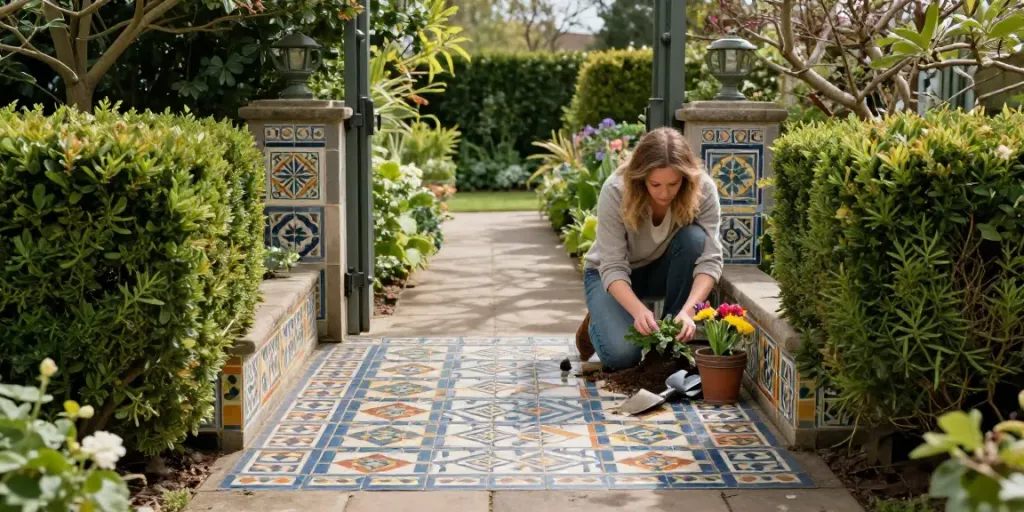
Victorian tiles are particularly popular for outdoor applications, such as garden paths and patios. Their non-slip surface and durability make them ideal for high-traffic areas. Additionally, the classic aesthetic complements a variety of landscaping styles, providing a timeless elegance that enhances any outdoor space.
Indoor Spaces: Flooring and Backsplashes
Inside the home, Victorian tiles can serve multiple purposes. They are commonly used in kitchens and bathrooms as flooring or backsplashes due to their water-resistant properties and ease of cleaning. The vibrant designs can transform a mundane room into a visually stunning environment.
Restoration Projects: Preserving Heritage
As interest in heritage and preservation grows, many are opting to restore original Victorian tiled floors and paths in historic homes. Skilled craftsmen are able to repair and restore these beautiful tiles, ensuring that they remain a central feature of the home’s character.
Choosing the Right Victorian Tiles
Factors to Consider for Durability
When selecting Victorian tiles, durability should be a primary concern. Consider factors such as the tile material, thickness, and resistance to wear and tear. Choosing tiles that have been vitrified or treated for increased strength will ensure that they withstand the test of time.
Matching Tiles to Your Home Style
The right Victorian tiles should harmonize with the overall style of your home. For traditional settings, opt for classic colors and patterns, while more modern interpretations may allow for bolder, contemporary designs. It’s essential to visualize how the tiles will coordinate with existing furnishings and architectural elements.
Color and Pattern Selection for Impact
Selecting the right colors and patterns can greatly influence the overall mood of a space. Darker, richer colors and intricate patterns can create a dramatic effect, while lighter colors and simpler designs tend to evoke a sense of airiness and brightness. Consider the ambiance you wish to create and choose accordingly.
Installation Tips for Victorian Tiling
Preparing the Surface for Tile Installation
Before laying Victorian tiles, it’s crucial to prepare the surface appropriately. This includes ensuring that the area is clean, dry, and level. Any imperfections in the surface can lead to uneven tiles, which can result in further complications down the line.
Step-by-Step Installation Guide
- Gather Materials: Ensure you have all necessary tools and materials, including tiles, adhesive, grout, and spacers.
- Plan Your Layout: Map out your design and perform a dry layout to visualize the final look before installation.
- Apply Adhesive: Spread a layer of tile adhesive evenly over the surface with a trowel.
- Lay the Tiles: Carefully place the tiles onto the adhesive, using spacers to ensure consistent gaps between tiles.
- Grouting: Once the tiles are set, fill the gaps with grout, ensuring it is fully packed to avoid moisture ingress.
- Clean and Seal: After the grout has set, clean the surface and consider applying a sealant for added protection.
Common Mistakes to Avoid During Installation
Many DIY enthusiasts may overlook crucial steps during installation, leading to poor results. Common errors include neglecting surface preparation, miscalculating spacing, and rushing the grout application. Taking the time to plan and execute each step carefully will yield more professional results and a longer-lasting installation.
Future Trends in Victorian Tiling
Innovative Materials and Designs for 2026
As we look towards 2026, the Victorian tiling industry is poised for exciting innovations. New materials, such as eco-friendly composites and advanced ceramics, are emerging that enhance the durability and aesthetic appeal of Victorian tiles. This evolution will likely see a blend of traditional craftsmanship with modern design sensibilities.
Sustainable Practices in Tile Production
With sustainability becoming a central focus for consumers and manufacturers alike, many tile producers are adopting environmentally friendly practices. This includes sourcing raw materials responsibly, reducing waste during production, and designing tiles for recyclability. Expect to see an increasing number of options that appeal to eco-conscious consumers.
Anticipated Market Changes and Consumer Preferences
The tiling market is expected to shift towards more personalized options, with consumers seeking tiles that reflect their unique tastes and lifestyles. As technology improves, customization options will likely expand, allowing for greater creativity in pattern and color combinations.
What are the benefits of Victorian tiling?
Victorian tiling offers numerous benefits, including durability, aesthetic appeal, and ease of maintenance. These tiles can withstand heavy foot traffic and various weather conditions, making them suitable for both indoor and outdoor use.
How to maintain Victorian tiles effectively?
To maintain Victorian tiles, regular cleaning with gentle, pH-neutral cleaners is recommended. Sealing the tiles periodically will also help protect against moisture and staining, ensuring their beauty endures for years to come.
What are some popular Victorian tile patterns?
Some of the most beloved Victorian tile patterns include chequerboard designs, bold geometric shapes, and intricate floral motifs. These patterns can be used alone or combined to create stunning visual statements.
Where to buy authentic Victorian tiles?
Authentic Victorian tiles can be sourced from specialized retailers, antique shops, or online platforms dedicated to heritage building materials. It’s advisable to verify the authenticity and quality of the tiles before making a purchase.
Are Victorian tiles suitable for modern interiors?
Absolutely! Victorian tiles can be effectively integrated into modern interiors, especially when paired with contemporary furnishings and decor. Their timeless appeal can enhance a minimalist aesthetic while adding a touch of character.